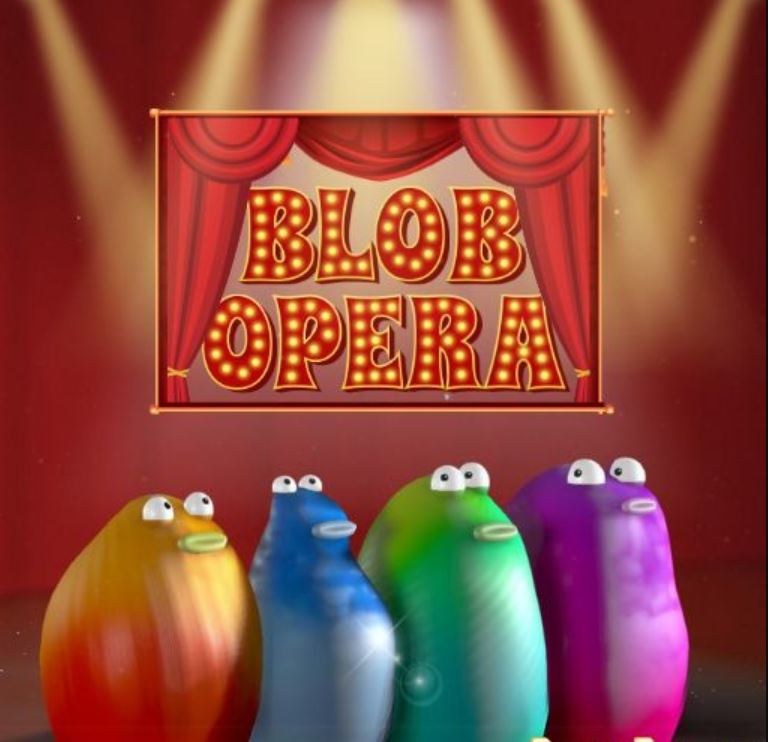
Blobopera is a music-driven puzzle game that rewards timing and precision over speed. Instead of mashing buttons, you conduct blobs through a theatrical performance by matching rhythms and patterns. It suits players who prefer calm, deliberate gameplay and a focus on flow over high-score chasing.
Blobopera Isn’t About Speed—It’s About Timing
Most music games push you to react faster, tap harder, and chase higher combo counts. Blobopera flips that instinct. The catalogue notes confirm the game loads on desktop, but they don’t hand you a rulebook. That’s fine. The genre does most of the talking here. This is a music-driven puzzle experience, and the name suggests something theatrical: blobs performing an opera. You are not here to mash buttons. You are here to conduct.
The core loop, as far as genre conventions go, asks you to match rhythms and patterns rather than outpace them. You’re optimizing for accuracy, not velocity. Think of it less like a sprint and more like a slow waltz. Every move you make should feel deliberate. If you rush, you break the performance. If you breathe, the blobs do the heavy lifting.
What You’re Actually Optimizing For
In a typical music puzzle game, your score comes from hitting notes on the beat. Blobopera likely follows that skeleton, but the “opera” framing changes your goal. You aren’t just hitting targets. You’re shaping a performance. That means your real metric is flow—how smoothly you transition from one input to the next.
Here’s the honest advice: stop trying to win every match in the first ten seconds. Instead, optimize for consistency. Early rounds in music games usually teach you the tempo. Use that time to map the rhythm in your head, not your fingers. Count the beats. Hum the melody if you have to. Your brain is better at tracking a pulse than your eyes are at tracking moving icons.
You want to reach a state where your inputs feel automatic. That happens when you stop looking for the next note and start feeling the gap between notes. The blobs on screen are basically your metronome. Let them guide you. When you match their energy instead of fighting it, your accuracy climbs on its own.
Mistakes That End Runs Early
Most failed attempts in music games come from the same handful of errors. Here are the concrete ones to avoid in Blobopera, based on how these games usually behave.
Rushing the opening sequence. The first few notes are almost always slower than the rest. New players see a slow start and assume the whole match is easy. Then the tempo shifts, and their hands are already tensed up. Relax your grip. Treat the opening like a warm-up, not a race.
Watching the wrong thing. Your eyes should be on the center of the action, not the edges. If you track each individual blob as it moves, you’ll always be a split second behind. Instead, keep your gaze fixed on the middle of the playfield and let your peripheral vision catch incoming patterns. This is a standard trick in rhythm games, and it works here because your brain processes peripheral motion faster than focused scanning.
Overcorrecting after a miss. One missed note is fine. Two is fine. But the moment you miss one, your instinct is to hammer the next input harder to “make up” for it. That’s how you spiral. Blobopera rewards recovery, not revenge. Miss a note, take a breath, and return to the beat. The audience (metaphorically) forgives you. The scoreboard will too.
Ignoring the visual cues. Music games always telegraph what’s coming. Whether it’s a color change, a size shift, or a movement pattern, the blobs are telling you what’s next. If you’re only listening to the audio, you’re missing half the information. Use both channels. The sound tells you when. The visuals tell you what.
Desktop vs. Phone: A Practical Note
The catalogue confirms this loads on desktop. That’s worth paying attention to. On a desktop, you have a keyboard and a mouse—two input methods with very different response curves. If Blobopera uses click-based controls, your mouse is your best friend. It’s precise, but it’s also twitchy. You don’t need to flick it. You need to place it.
If the game uses keyboard controls, you have a different advantage: tactile feedback. You can feel the keys depress. That physical sensation anchors your timing better than any visual cue. Use that. Rest your fingers lightly on the keys instead of hovering above them. The less travel distance your fingers have, the faster you’ll react—not because you’re faster, but because you’re cutting out unnecessary motion.
One note: the load time is about 23 seconds on desktop. That’s not a bug. That’s your warm-up window. Use it to stretch your hands, set your posture, and clear your head. Don’t tab away and come back distracted. Treat the loading screen like the overture before the opera. It’s part of the experience.
A Short, Practical Practice Plan
You don’t need to grind for hours. You need a focused fifteen minutes. Here’s a plan that works for music puzzle games in general, and it should translate cleanly to Blobopera.
Minutes 1–3: Listen only. Don’t touch the controls. Just watch the blobs move and listen to the track. Map the beat in your head. Count along. If you can’t count along, you don’t know the song yet. Repeat until you do.
Minutes 4–8: One hand only. Play normally, but consciously reduce your inputs to only the absolutely necessary ones. If the game expects you to hit every single note, ignore that for now. Aim for the downbeats. The strong beats. The ones that anchor the rhythm. You’ll miss a lot, and that’s fine. You’re training your ear, not your score.
Minutes 9–12: Mirror the blobs. Now switch to watching the visuals almost exclusively. Let your ears take a back seat. Respond to what you see, not what you hear. This feels wrong at first, but it trains your reaction time for visual cues. Once you get comfortable, blend the two senses back together.
Minutes 13–15: Full run, no pressure. Play a complete match from start to finish. Don’t worry about the result. Your only goal is to finish without tensing up. If you feel your shoulders rising, stop, drop them, and resume. A relaxed player is a better player. It’s that simple.
The Calm Path to Winning
Winning every match in Blobopera isn’t about being the fastest clicker in the room. It’s about being the calmest. The game’s theatrical presentation isn’t decoration—it’s a hint. Operas don’t rush. They breathe. They build. They take their time.
Take that same approach to every round. Slow down. Let the blobs sing. You’re just the conductor, and a good conductor doesn’t chase the music. They guide it.
Play it free in your browser when you’re ready. Take those twenty-three seconds of load time to settle in. And remember: the match doesn’t end when you miss a note. It ends when you stop caring about the beat. So keep caring, keep breathing, and let the blobs do their thing. That’s the whole secret.