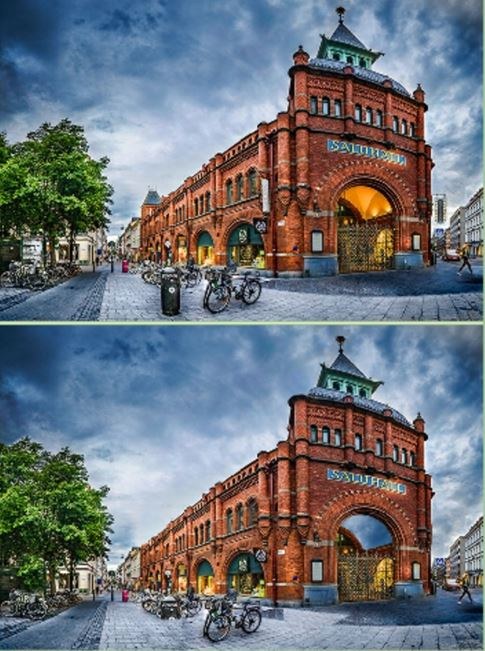
I opened Findthedifferencebest expecting a straightforward spot-the-difference game, and in the first 30 seconds I was already tapping the screen like a woodpecker. The timer starts immediately, which caught me off guard
I opened Findthedifferencebest expecting a straightforward spot-the-difference game, and in the first 30 seconds I was already tapping the screen like a woodpecker. The timer starts immediately, which caught me off guard. You're presented with two nearly identical images side by side, and the differences aren't hidden in some clever, puzzle-like way. They're just small enough that your eyes slide right over them unless you slow down. My first attempt ended with three misses and a score that felt like a personal insult.
What kind of player actually enjoys this
This isn't a game for trophy hunters or people who want a narrative. It's best for two groups: kids who are still sharpening their visual discrimination skills, and casual players who want something to fidget with during a five-minute wait. If you're a fan of difference games specifically, you'll recognize the formula instantly, but the pacing here is more aggressive than most. There's no gentle tutorial level. You jump in, the clock ticks down from a generous but not endless count, and every wrong tap costs you points or time depending on the mode. I'd put the sweet spot at ages 7 to 12, or anyone who doesn't mind losing a round because they blinked at the wrong moment.
Adults who play hidden object games for relaxation might find this a bit too punishing. My wife, who breezes through most difference puzzles, got frustrated after three rounds and handed the phone back to me. The pressure is real. That said, if you enjoy that little spike of adrenaline when the timer hits 10 seconds, you're exactly who this was made for.
The loop and what you're actually optimizing for
Each round gives you a pair of images and a set number of differences to find. In the main mode I played most, you have a countdown timer and a limited number of hints. The gameplay loop is simple: scan left image, scan right image, tap the spot where something doesn't match. Find all differences before time runs out, you move to the next scene. Miss too many times or run out the clock, and the round ends.
What you're optimizing for isn't just speed. It's accuracy under a timer. Every wrong tap gives you a brief penalty—usually a second or two shaved off the clock—so panic-tapping is a death sentence. You quickly learn that a controlled, methodical approach works better than wild poking. I started improving when I stopped trying to rush and instead swept each image in zones: top left, top right, bottom left, bottom right. It sounds obvious, but the timer tricks you into abandoning discipline.
The scoring system rewards streaks. If you nail several differences in a row without a mistake, your point multiplier climbs. One sloppy tap resets it. So the real game is maintaining composure while the seconds drain away. That's the hook. It's not about finding differences—it's about not screwing up while you do it.
Mistakes that will torch your run
I tracked my failures across about 20 minutes of play, and a few patterns emerged. These are the concrete things that ended my runs early:
- Tapping too close to a real difference but missing the exact pixel. The hitboxes aren't tiny, but they're not generous either. If you see a color change on a flower petal, tap the petal, not the stem. I lost three hints this way on a garden scene because I was sloppy.
- Forgetting that some differences are color-only. One image might have a red balloon and the other a blue one. Your brain registers "balloon" and moves on. I stared at a pair of beach scenes for 20 seconds before realizing the umbrella had shifted from yellow to green. Train yourself to check hues, not just shapes.
- Burning hints early. The hint system highlights a difference for you, but you have a very limited supply. Using a hint in the first 15 seconds because you're impatient means you won't have one when you're stuck on the eighth difference with 20 seconds left. I made this mistake twice before I learned to save hints for the final stretch.
- Playing while distracted. I tried a round with a podcast on and missed obvious differences because my auditory attention was split. This game demands visual focus. Even glancing away for a second can cost you.
- Ignoring the edges of the image. Differences are rarely dead center. The designers like to tuck changes near borders, in background details, or on small objects at the periphery. If you're stuck, scan the outer frame of the picture.
How it feels on phone versus desktop
I played on both my phone and a laptop browser. The experience isn't identical, and your choice matters more than you'd think.
On a phone, the images are obviously smaller. This makes tiny differences—like a missing button on a coat—harder to spot. You'll be pinching to zoom, which works but eats up precious seconds. The tap detection is fine on a touchscreen, but my fingers occasionally obscured the very detail I was trying to check. I'd recommend a stylus if you have one, or at least use your pinky. The phone version is more portable and feels snappier for quick sessions, but expect to squint.
On desktop, the larger screen is a genuine advantage. I could see both images clearly without zooming, and my mouse clicks were more precise than my thumb taps. The trade-off is that sitting at a computer makes the game feel less casual. It's harder to just pull it up while waiting for coffee. If you're chasing high scores, play on desktop. If you're killing time on a bus, the phone version works, but accept that you'll miss a few differences you'd catch on a bigger display.
One oddity: on my phone, the ad breaks felt more intrusive, probably because they filled the smaller screen completely. Desktop ads were easier to dismiss. Not a dealbreaker, but noticeable after back-to-back rounds.
A short practice plan that actually helps
After 20 minutes of trial and error, I started seeing real improvement when I stopped treating each round as a standalone sprint and instead built a tiny routine. Here's what worked for me, and what I'd suggest if you want to get decent at this without throwing your phone across the room.
Session one (5 minutes): Play three rounds with the sound off. Don't try to win. Just practice sweeping each image in a Z-pattern—top left to top right, diagonal down to bottom left, then bottom right. Say the differences out loud when you spot them, even just whispering. This forces your brain to confirm rather than assume. Ignore the timer. You'll lose these rounds, and that's fine.
Session two (5 minutes): Turn sound on and play three rounds where you focus exclusively on color differences. Before you tap anything, ask yourself: "Is anything a different color than it should be?" This builds the habit of checking hues, which is the skill most players neglect. Again, losing is fine. You're training, not competing.
Session three (10 minutes): Now try to win. Play five rounds with full focus. No music, no notifications. Use your Z-pattern sweep, check colors first, and keep your finger or cursor hovering near the center of the screen so you can move quickly to any quadrant. If you get stuck, take a deep breath and rescan the edges. Only use a hint when you have one difference left and under 15 seconds on the clock.
That's it. Three short sessions, and you'll notice your accuracy climbing. The game doesn't require marathon practice. It rewards a calm, systematic eye more than raw speed. Once that clicks, the timer stops feeling like an enemy and starts feeling like background noise.
Findthedifferencebest isn't reinventing the genre, but it delivers a tight, slightly unforgiving version of it that will appeal to anyone who likes their casual games with a bit of bite. It's free in your browser, no download required, so you can jump in right now and see if your eyes are quicker than your nerves. They probably aren't, at first. But give it 15 minutes and you'll be surprised.